What has Anthropic changed?
In August 2026, Anthropic explained that future Claude models would generate watermarked text and announced a transition period with a later rollout for older models. The current help page How Claude marks AI-generated content now says that Anthropic is adding watermarks to outputs from models released before August 2, 2026. According to Anthropic, marking applies worldwide across the Claude Platform including the API, the Claude apps, Claude Code, Claude Cowork and Claude Tag.
According to The Decoder, Anthropic informed API customers by email that Claude Mythos 5, Claude Opus 4.7, Claude Opus 4.6 and Claude Sonnet 4.6 will receive the watermark. The German edition of The Decoder gives November 3, 2026 for this. Newer models such as Opus 5.5 already carry it. On Amazon Bedrock, the rollout may take a few extra days. We have not seen the email itself; these details come from the reporting.
What applies to Opus 4.6 and Sonnet 4.6?
On Claude Opus 4.6 and Claude Sonnet 4.6, the watermark is applied only when the sampling parameters temperature, top_p and top_k stay at their default values, according to the email quoted by The Decoder. Anthropic reportedly advises: if you rely on the watermark for your own compliance, keep these settings at their defaults.
According to The Decoder, the email does not mention this caveat for Mythos 5 and Opus 4.7. The Decoder concludes that the watermark applies there regardless of sampling values; this is the outlet's inference, not a statement by Anthropic. Our assessment, not a vendor statement: anyone running API integrations with custom sampling values should therefore not assume that all outputs are marked.
How does the watermark work?
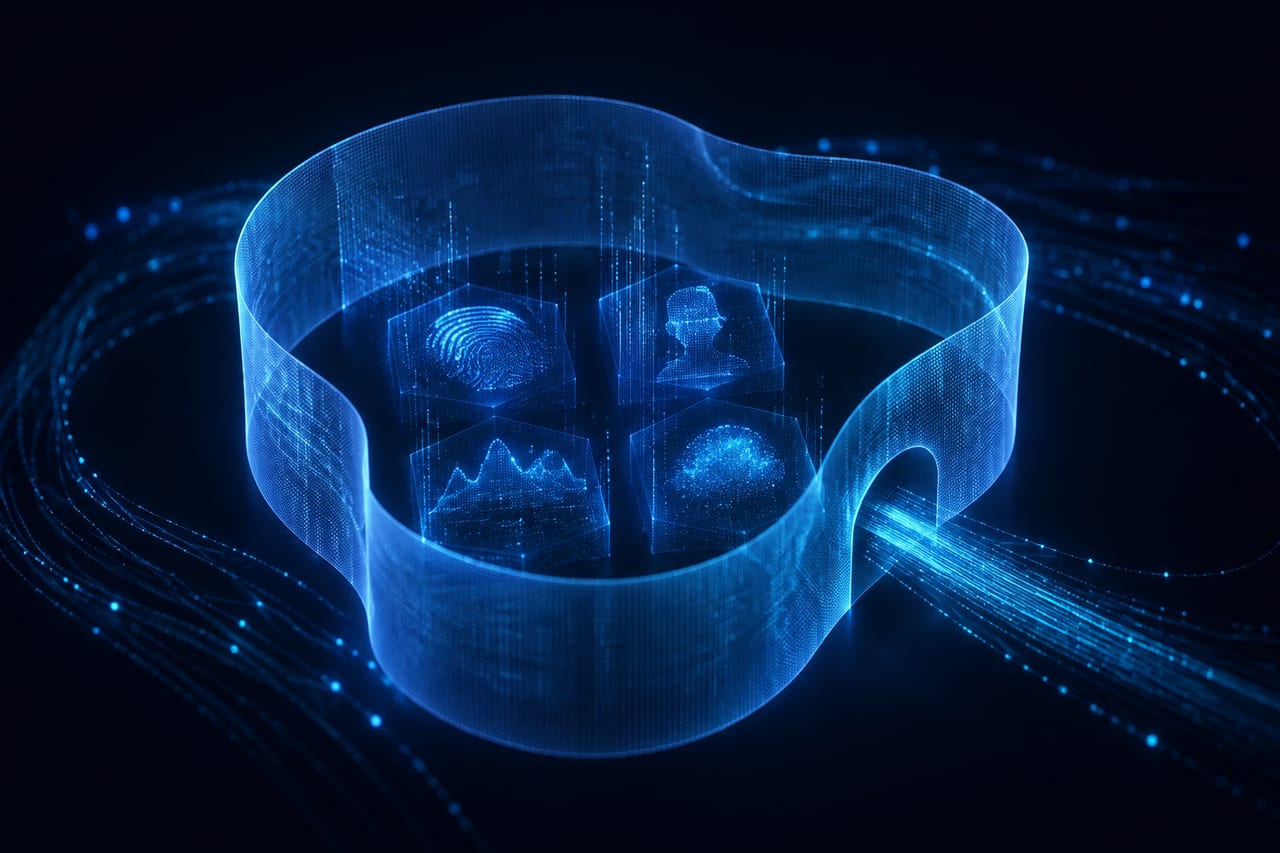
Anthropic describes the text watermark as a pattern in word choice: where several words fit equally well, a key determines the choice. No characters are added, it costs no extra tokens and does not change the price. According to The Decoder, Anthropic writes in the email that the watermark contains no information about users, their organization or their conversations with Claude. For supported files, Anthropic additionally uses C2PA metadata.
According to the help page, the watermark is applied at model level. It therefore also applies when Claude is used through AWS, Google Cloud or Microsoft Foundry, and it travels with copy and paste. It may persist through some editing. C2PA credentials exist only where Claude generates files, for example in the Claude apps and through the Claude Platform API. According to The Decoder, customers cannot turn the watermark off.
Who can check the watermark?
According to Anthropic, detection of text watermarks is in private preview. Eligible organizations include regulators, law enforcement, media, fact-checkers, researchers, educational organizations and EU civil society groups, as well as businesses that are themselves obliged to verify under the AI Act. Access is available through a request form. For C2PA credentials in files, Anthropic offers a free Claude Content Checker.
Anthropic names clear limits. A detected watermark is not conclusive, because Claude may only have proofread, translated or summarized, or the content may have changed. A missing watermark does not mean no AI system was involved: the model may not have supported it yet, the text may have been heavily edited, paraphrased or translated, be very short, or have had its metadata stripped.
What does this mean for businesses?
According to The Decoder, Anthropic cites the EU AI Act's December deadline as the reason for the retrofit. Anthropic points out that businesses building their own products with Claude must assess for themselves which Article 50 obligations apply to them.
Our assessment, not a vendor statement: for most teams, little changes day to day, because the watermark is invisible and costs nothing. It matters where texts go out externally or where clients have prohibited AI use. In those cases, clear disclosure rules belong in the AI policy instead of relying on a detection signal.
What should businesses do now?
Check which Claude models your team uses through the apps, the API or cloud partners. If you run Opus 4.6 or Sonnet 4.6 via the API with custom sampling values and rely on the watermark for compliance, clarify whether the default values are sufficient. Add rules on labeling AI content to your AI policy and have Article 50 obligations reviewed legally.
The free AI System Check helps organize AI tools, responsibilities and rules across your team. These notes are suggestions, not customer results.
Keep it verifiable
Primary sources
- Claude Help Center: How Claude marks AI-generated content · geprüft 01.11.2026Source checked:
- Anthropic: How Claude's text watermark works · 14.08.2026, aktualisiert 01.09.2026Source checked:
- The Decoder: Anthropic's watermark rollout leaves a loophole on two older Claude models · 31.10.2026Source checked:
- The Decoder (deutsch): Wasserzeichen bei älteren Claude-Modellen · 31.10.2026Source checked: